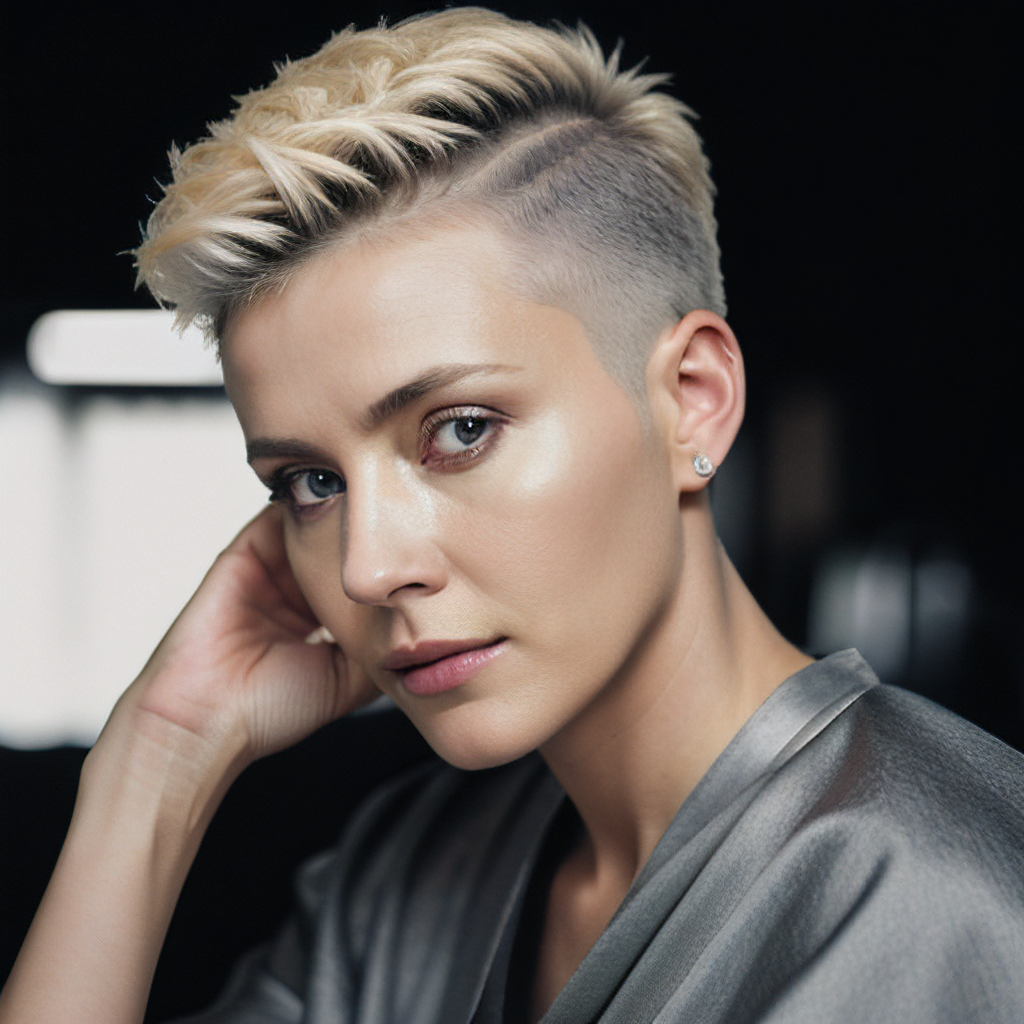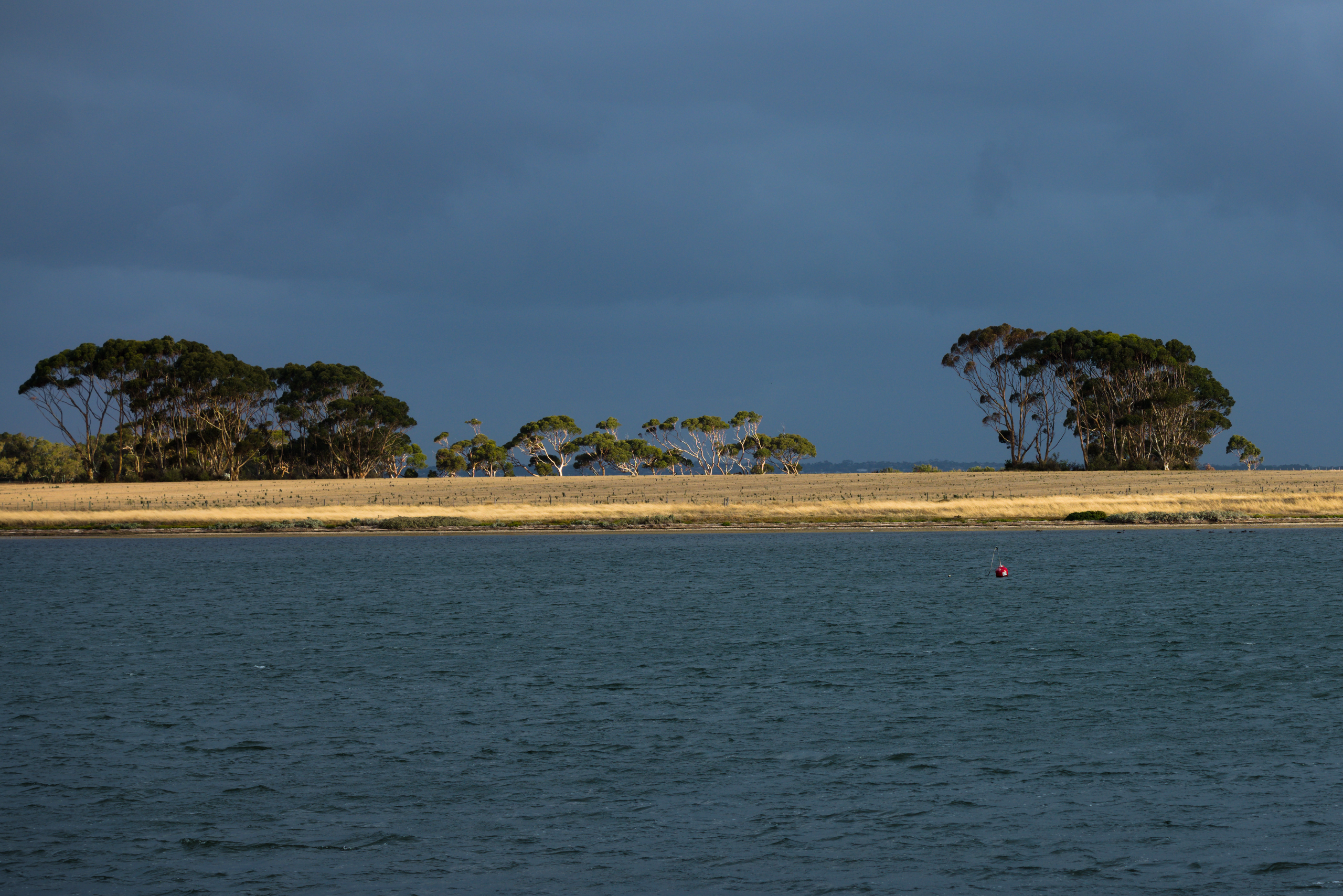
Everyone wants to pick a side in the film versus digital argument. I’m not playing that game. But I landed on digital, and the reasons have nothing to do with megapixels or dynamic range or any of the things people argue about in forums.
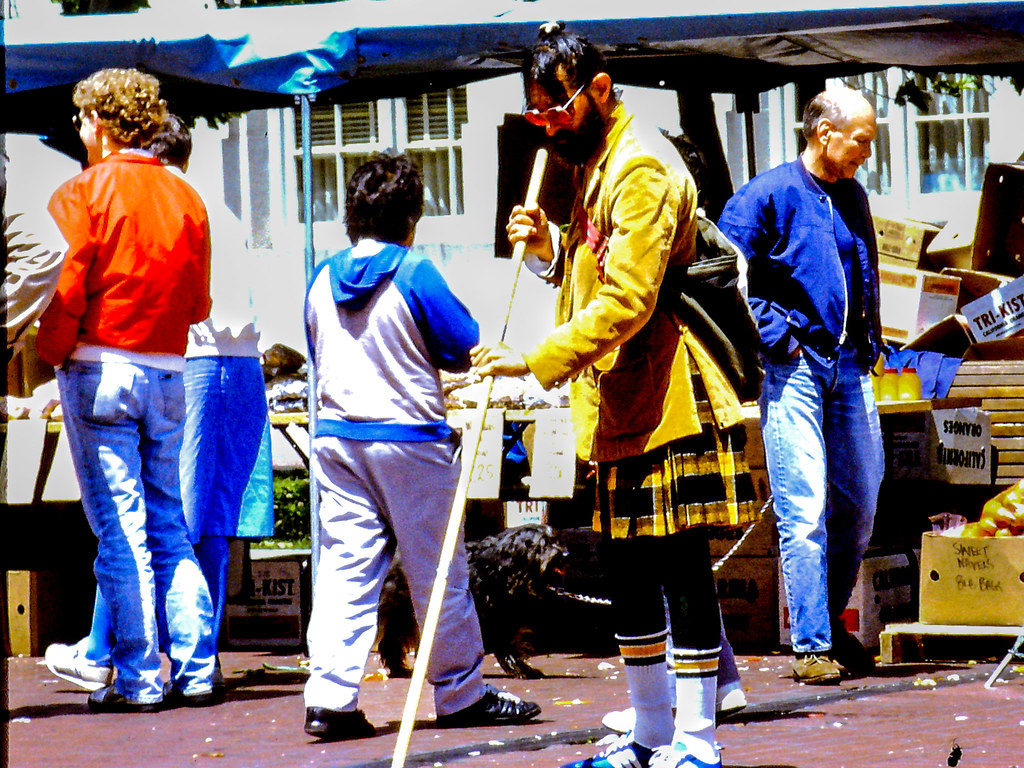
This was from around 1983 and shot on kodachrome 64. Pentax ME
The real magic of film was never the film. It wasn’t the grain, the chemicals, the smell of the darkroom. It was intention. Because film cost money, you didn’t fire off twenty five shots of the same thing and hope for the best. You waited. You composed. You moved two steps left, then one step right. You looked through the viewfinder for a long time. Then, only then, you pressed the shutter.

Shot on a digital Leica CL in 2024 .
There is no reason you can’t do that with a digital camera. But we don’t. Because we can spray and pray. Because we can take two hundred photos of the same pigeon and pick the least blurry one later. The volume makes us feel safe. It distracts us from the reality in front of our faces. And sure, you might get the shot. But did you make it, or did the camera just happen to be pointing in the right direction when the algorithm decided to fire and focus on an eyelash.
I began on a Pentax ME. Aperture priority only, because in those days you had to pay more for a fully manual camera . So, I spent my time fiddling with the ISO dial, trying to trick the camera into doing what I wanted. Full manual was always the thing we wanted. The thing that put us in charge. I managed to score a legendary Olympus OM1 many years later, It is sitting on a shelf. Retired.
When I moved to digital, I looked for a camera that would give me that feeling. Physical controls. There are only two that matter on the body: shutter speed and aperture. I don’t fiddle with ISO during a shoot. Just set it to the ISO speed of my imaginary film.
I tried a few cameras. Landed on one that worked. Small. Proper dials. A viewfinder that didn’t fight me. Lenses that would manual focus and be razor sharp when needed.
I don’t do much to the image afterwards. Maybe some global exposure changes. A little dodge and burn, the way you would in a darkroom. But no cloning. No smoothing. No healing. I don’t have a philosophical objection to any of that. I just don’t want to. The picture happened. I either got it or I didn’t. Moving on.
I can spend hours on location and come back with thirty-six photos. I always imagine I have a roll of Kodachrome in my camera. I don’t use the LCD screen to check. Why would I? I have an EVF. That’s what’s in the can. I just hold the shutter down for a second to see what I took. Done.
I don’t have image stabilization. Just hold my breath and 1/30th. You learn fast. Or you learn to live with the blur. The light wasn’t there.
If I think I have a shot I really want, I might take a few frames. If the light is almost right. If I want a slightly different corner of the frame. I often come back with a few duplicates. Invariably, I end up using the last one I shot in those few minutes. The ones before were me deciding. Or I missed focus. Or the light kept getting better. Or a bird flew into frame and left. That luxury is why I have a digital camera after all.
So what makes film special? The waiting. In that time between taking the shot and seeing the print, the photos become better in your mind. You remember the shot you intended, not the one you actually took. Then the results arrive. Camera shake. Missed focus by a hair. The developer decides to push your careful exposure with deep blacks to overexposed. It was a pain. People leave that part out when they get nostalgic.
Why do my photos look like they do? Optics onto a sensor, developed to look like I saw it. The colours aren’t a trick. It’s how the eye actually sees. Primary colours pop, but they also throw a colour cast. That’s not a flaw. That’s light behaving like light. I don’t correct it away. Let it spill.
And then there’s AI. Look, I have nothing against it. The models get better. You can generate a highly plausible image. Go for it. But you weren’t there. The thing never existed. The light never slid across a surface, never caught on a corner. You never wound down exposure so far the world fell silent just to preserve that one highlight. That’s the difference. Not quality. Not skill. Just presence.
The real divide isn’t digital versus analog. It’s intention versus automation. The phone gives you a simulation. AI gives you a fabrication. What we want is control. The ability to make a mistake, or make magic, with our own hands.
So put the camera in manual. Turn off the review screen. Wait for the moment. Hold your breath. 1/30th. Don’t check it. Did you get it? You will find out later.
The best camera is the one that gets out of your way. Use it with intention.